Comprehending the Relevance of Mental Therapy for Teenage Development and Health And Wellness
Psychological treatment plays a vital role in the development and health of teenagers. It deals with an array of psychological health and wellness concerns that can prevent their development. With therapy, teens can find out crucial coping approaches and enhance their emotional knowledge. This process promotes durability, allowing them to better navigate life's difficulties. Numerous still think twice to engage in conversations regarding psychological health and wellness. Exploring the factors behind this hesitation discloses deeper understandings into the teen experience.
The Effect of Adolescent Mental Health And Wellness on Overall Advancement
The interplay in between teen mental wellness and general growth is profound and complex. During the vital phase of teenage years, people undertake significant physical, emotional, and social modifications that form their identity and future. Psychological wellness plays a critical function in this procedure, influencing scholastic performance, partnerships, and self-esteem. Positive psychological health and wellness fosters resilience and versatility, making it possible for teens to navigate obstacles successfully. Alternatively, mental wellness problems can hinder cognitive features, interrupt social communications, and hinder emotional policy, causing a cascade of developing setbacks.
Moreover, the atmosphere in which teens grow-- incorporating family dynamics, peer impacts, and social assumptions-- interacts with their mental health, further complicating their developmental trajectory. Understanding the importance of psychological health in this stage is vital for promoting healthy advancement and making sure that teenagers can thrive, both during their developmental years and beyond. Prioritizing mental health assistance can significantly boost their total growth and future potential.
Usual Mental Wellness Issues Dealt With by Teenagers
While navigating via the intricacies of teenage years, numerous young adults come across a variety of mental wellness problems that can considerably influence their lives. Stress and anxiety disorders are prevalent, often identified by excessive worry or fear that conflicts with daily activities. Depression is one more usual problem, materializing as relentless despair, loss of rate of interest, and difficulty in operating. Additionally, behavior problems, such as opposite bold disorder, can bring about disputes with authority numbers and a struggle to adhere to social norms. Eating problems, including anorexia nervosa and bulimia, might occur as young adults grapple with body picture and societal pressures. Finally, chemical abuse can develop as an illinformed effort to handle psychological distress. These mental health and wellness obstacles, if unaddressed, can hinder academic efficiency and social partnerships, emphasizing the need for understanding and support within this prone age team.
The Duty of Treatment in Structure Coping Strategies
Therapy plays a considerable duty in outfitting teenagers with efficient coping methods to browse their mental wellness obstacles. With structured sessions, specialists assist teenagers determine and comprehend their feelings, promoting self-awareness. By using different methods such as cognitive-behavioral treatment, teens learn to challenge unfavorable idea patterns and replace them with constructive ones. This procedure allows them to develop healthier responses to stressors.
In addition, therapy offers a safe atmosphere for teenagers to practice these strategies, promoting the shift from concept to real-life application. Role-playing and scenario evaluation enable them to practice coping devices in an encouraging area. As young adults face one-of-a-kind stress-- scholastic demands, social dynamics, and identification exploration-- having actually individualized coping approaches becomes necessary. Ultimately, treatment not just addresses immediate issues but additionally instills lifelong skills that make it possible for teenagers to handle future challenges, promoting overall mental well-being and durability in their advancement.
Promoting Resilience and Emotional Intelligence Through Treatment
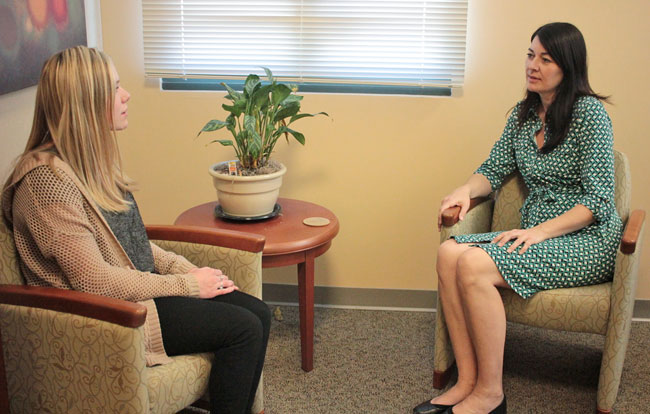
Exactly how can treatment support resilience and psychological knowledge in teens? Therapy gives a safe environment where adolescents can discover their feelings, see page behaviors, and ideas. Through guided activities and conversations, specialists assist teens determine and comprehend their feelings, promoting emotional recognition. This recognition is a foundation of psychological intelligence, allowing them to understand with others and take care of interpersonal connections successfully.
Furthermore, therapy equips young adults with tools to navigate life's challenges, advertising resilience. By addressing previous injuries, frustrations, and stress factors, they find out to establish coping mechanisms that encourage them to deal with hardship. Specialists commonly encourage goal-setting, which instills a feeling of purpose and success.
As teens practice these abilities in treatment, they end up being much more experienced at managing uncertainties and troubles (Individual Counselling Services). Eventually, this nurturing of resilience and psychological intelligence prepares them for the intricacies of grown-up life, enhancing their general psychological health and wellness and well-being
Motivating Open Dialogue About Mental Wellness in Teenagers
What approaches can efficiently promote open discussion about mental health among teens? Producing a helpful and secure setting is basic. Moms and dads and teachers should motivate conversations by stabilizing conversations about mental reference health and wellness, highlighting that it is a substantial element of total wellness. Active listening plays an important function; adults should be mindful and non-judgmental when teenagers share their worries or feelings.
Integrating mental wellness education and learning into school educational programs can likewise facilitate open discussion. Workshops, peer assistance groups, and psychological health and wellness understanding campaigns can encourage teens to share themselves extra easily. Additionally, making use of social networks platforms can be beneficial, as they are usually where teens feel most comfy communicating. By fostering an environment of count on and visibility, adults can aid teenagers recognize that going over psychological health and wellness is not just acceptable however necessary for their growth and emotional health.
Frequently Asked Concerns
How Can Moms And Dads Acknowledge Indicators of Mental Health And Wellness Issues in Teenagers?
Moms and dads can recognize indications of mental wellness issues in teens by observing adjustments in habits, state of mind swings, withdrawal from tasks, declining academic efficiency, adjustments in sleep or appetite, and revealing sensations of hopelessness or anxiousness.
What Sorts of Therapy Are The Majority Of Effective for Teens?
Cognitive Behavioral Treatment (CBT), Dialectical Behavior Therapy (DBT), and group therapy are amongst one of the most reliable kinds for teens. Individual Teen Counselling. These methods promote coping abilities, psychological regulation, and offer peer support, essential for adolescent mental health
How Can Therapy Support Academic Performance in Teenagers?

What Should Teens Anticipate During Their Initial Therapy Session?
Throughout their first therapy session, teenagers can anticipate an inviting atmosphere, an intro to the therapist, conversations regarding their concerns, and establishing goals (Individual Therapy Toronto). Confidentiality and the healing process will certainly also be clarified to foster convenience and count on
Just How Can Teenagers Discover a Specialist That Fits Their Demands?
Teens can discover an ideal therapist by looking for recommendations from trusted adults, researching on the internet directory sites, taking into consideration specialties, and scheduling first consultations to examine compatibility and interaction styles, eventually making sure an encouraging healing partnership.

Comments on “Why Individual Teen Counselling creates confident young adults”